
A Foot in Both Camps: Luxurious & Green
Straddling the intersection of camp and hotel, the 45-tent Nightsky Camps glamping resort is set to open in San Luis Obispo’s El Chorro Regional Park Campground this summer. The Australian designed eco-tents feature vinyl flooring, bedroom furniture, en suite bathrooms, and sliding-glass doors. “It’s about letting nature speak for itself but still feeling comfortable and refined and beautiful on the inside,” says the resort’s cofounder David Smith, noting that the concrete foundation–free structures reduce environmental impact.
Tent doors open to decks with views of Dairy Creek Golf Course, the Santa Lucia Mountains, or some of the Nine Sisters peaks. While wine country, the beach, and downtown San Luis Obispo are all nearby, park amenities invite guests to golf, visit the local botanical garden, and hike Eagle Rock Nature Trail without getting back in the car. Facilities on the Nightsky grounds include a sauna and cold plunge, a movement studio tent, and the all-day Marcerro restaurant for burgers, wraps, and more elevated dishes, like duck confit pappardelle. In the works, Smith says, is a program offering discounts to area residents.
Source: 805 Living
Article: Dive into Summer
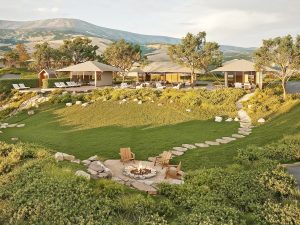

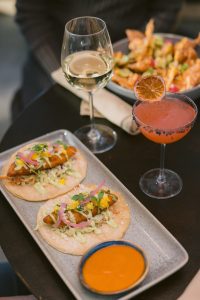

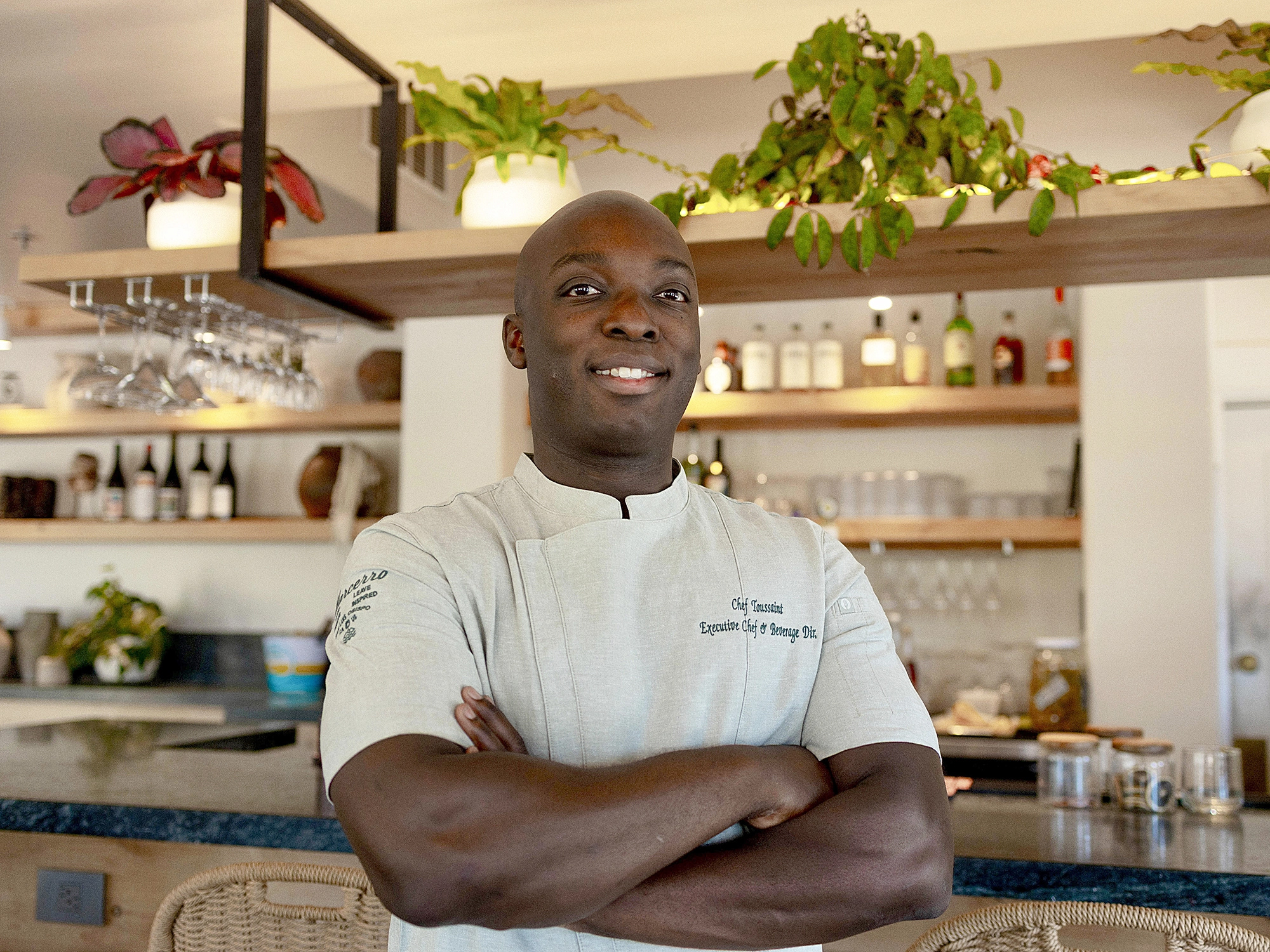
Chef Tret Toussaint is ramping up culinary offerings at SLO’s Dairy Creek Golf Course
With a year at Marcerro under his belt, Executive Chef and Beverage Director Tret Toussaint is excited to embark on phase 2 of an ambitious hospitality project nearing completion at Dairy Creek Golf Course in San Luis Obispo.
The county-owned nine-hole golf course and Swing Time simulation facility, combined with the restaurant, which opened its doors in July 2025, will be joined by Nightsky Camps in late summer 2026.
Set within the larger 720-acre El Chorro Regional Park, the quartet of offerings will transform the golf course into a comprehensive, ecologically focused resort, with Toussaint leading the culinary component.
“One of the things we’ve been most excited about is creating something at Dairy Creek that feels genuinely connected to the local community, not just a destination for overnight guests,” said Nightsky and Marcerro co-founder David Smith, an Australian expatriate now residing in Los Angeles.
“Marcerro has become a big part of that vision already. We’re inspired by the opportunity to bring locals and visitors together through food, live events, music, and shared experiences.
“Chef Tret’s approach to the menu really reflects that spirit. It’s elevated but approachable, rooted in local ingredients and designed to evolve alongside the property and the seasons.
“As Nightsky Camps opens this summer, we will be working alongside Dairy Creek with a shared focus on serving both the local community and visitors from out of town, becoming an even more integrated outdoor destination on and for the Central Coast.”
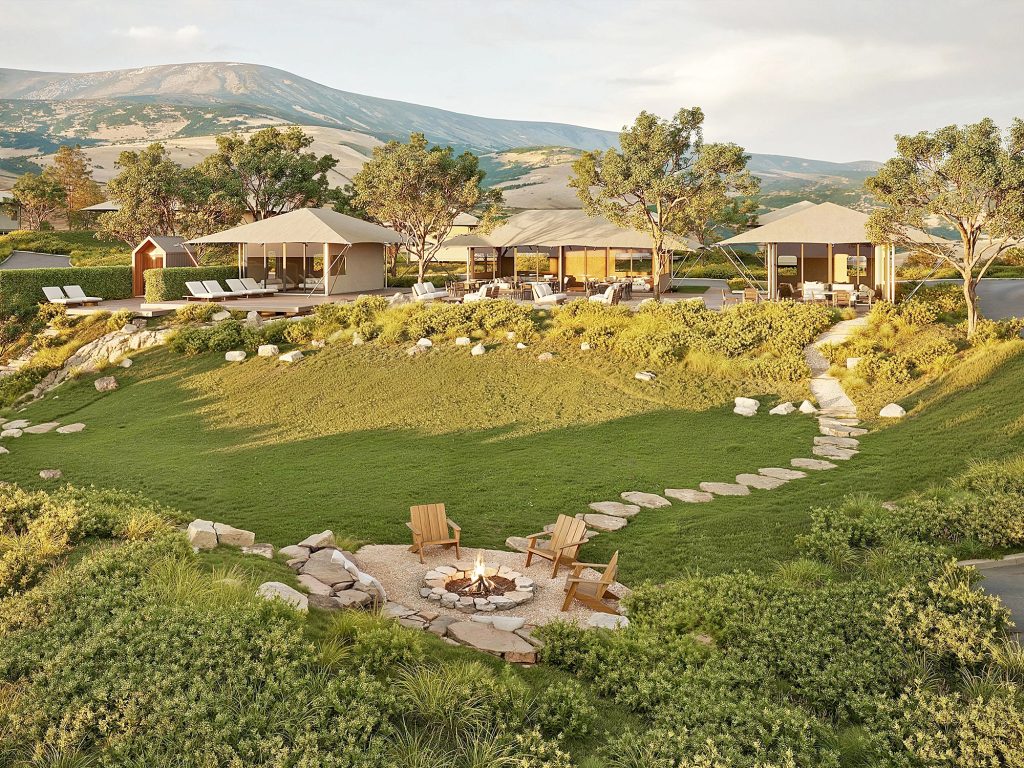
Smith and Nightsky co-founder and fellow Australian Anatoly Mezhov, presently based in Carlsbad, nabbed Toussaint, of Paso Robles, as the first team member on the ground in June 2025 to open Marcerro.
Originally from Newport Beach, Toussaint took a circuitous path to his present profession.
“I went the route of psychology first,” he said. “But my family did ignite my passion for food as everyone in my family is well versed in cooking—[from] French to Jamaican.”
After majoring in psychology with an emphasis in cognitive neuroscience at UCLA, Toussaint obtained a culinary degree from Auguste Escoffier School of Culinary Art, based in Boulder.
His foundation in classic French technique was complemented by stints as lead line cook at La Sandia in Santa Monica, executive chef at Ad Libitum in San Diego, and area executive chef for Marriott in Santa Barbara County, then fine-tuned by global experiences.
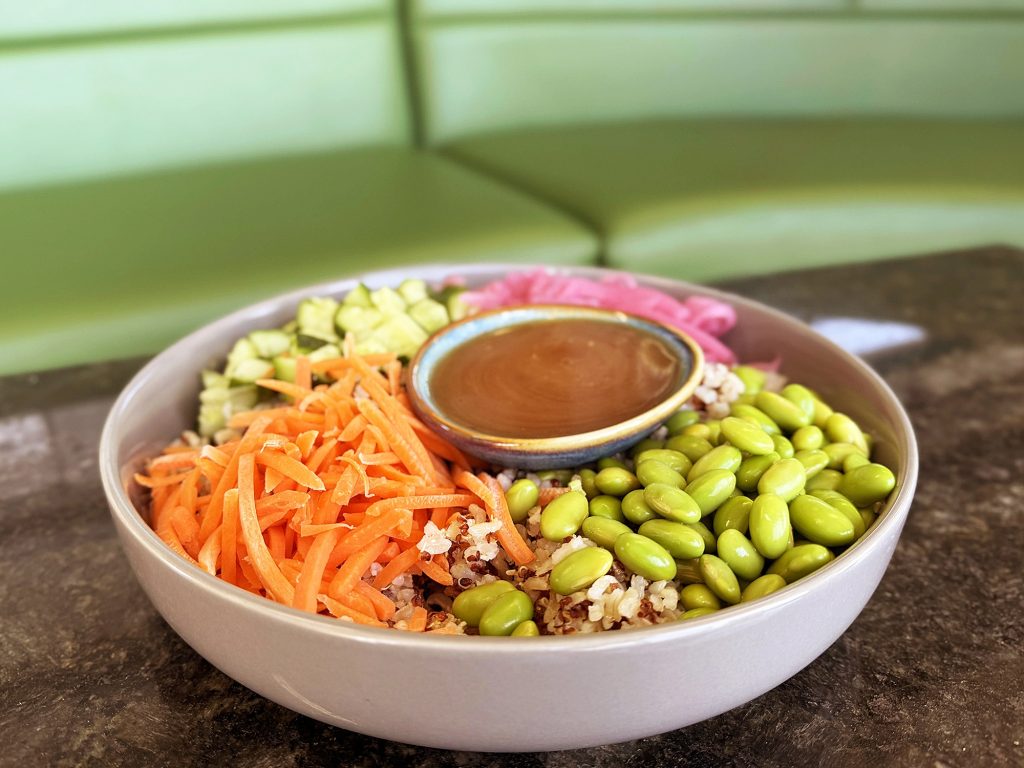
“I lived in South Korea and Japan,” he said. “I spent a lot of my time traveling, eating, and learning from local chefs. I found an expanded view on my style as a chef in those countries.”
As a result, Marcerro’s menu is bursting with French, California coastal, and Asian influences.
“Some personal favorites growing up were coq au vin (French chicken and wine stew) and roasted rack of lamb,” said Toussaint, while noting that Marcerro’s Duck Confit Pappardelle perfectly reflects both his heritage and training.
“I love to create and typically pick a fresh, locally sourced ingredient and build around it. Some ingredients I enjoy the most are duck, lamb, black garlic, and gochujang (Korean chili paste).
Toussaint collaborates with a variety of local vendors, including Cal Poly Meats in SLO, Stepladder Ranch & Creamery in Cambria, and Morro Bay Oyster Co.
The restaurant’s current menu features an eclectic mix of reasonably priced appetizers, sandwiches, burgers, salads, and bowls, with the most expensive entrée—Pan-Seared Scallops atop brown butter risotto, golden raisin pine nut gremolata, roasted golden beets, and microgreens—priced at $36.
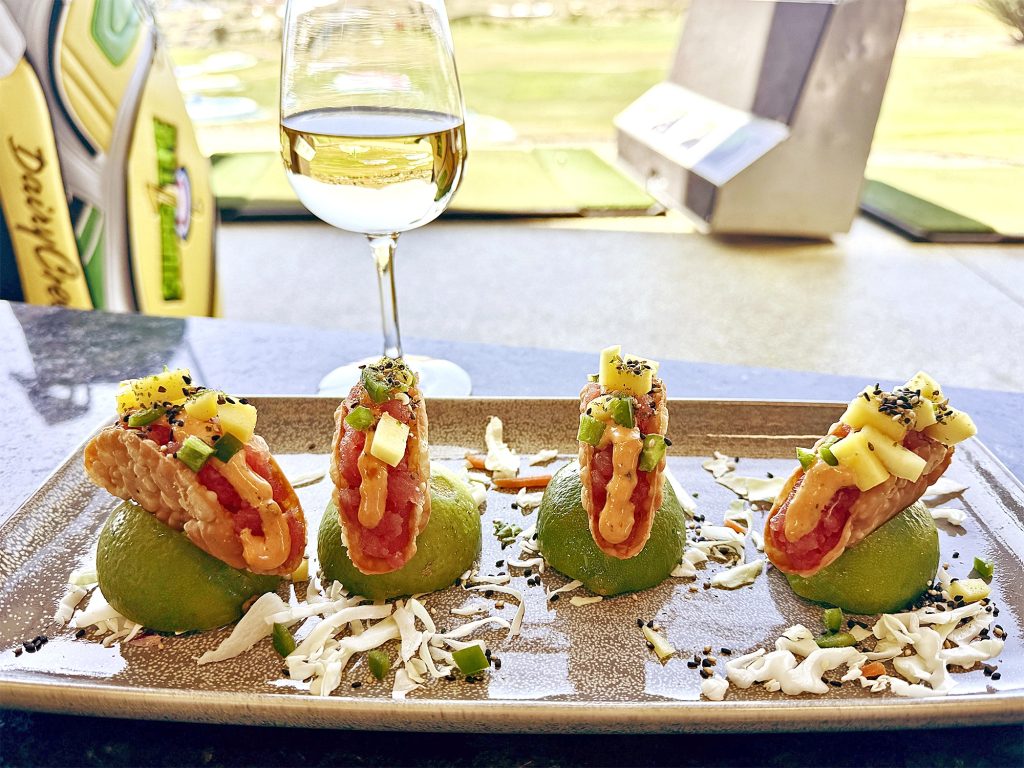
Toussaint is also proud of the restaurant’s beverage program, which spotlights some of the area’s premier producers, including rotating tap beer from There Does Not Exist in SLO, craft cocktails featuring spirits from Tin City Distillery in Paso, and a compact but impressive selection of local red, white, and sparkling wine. For a $15 corkage fee, guests can bring in their own favorite bottles.
Marcerro—with its main indoor lounge and bar and expansive patios and grounds—hosts a slew of activities year-round.
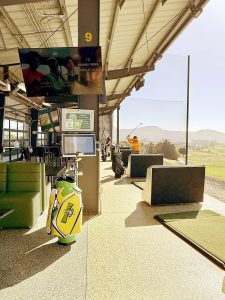
The property’s several venues, including Dairy Creek’s adjacent Swing Time facility, can also be reserved for private events, with Marcerro handling the culinary details.
The restaurant’s final phase will include expanding hours and tailoring offerings for guests at Nightsky. The 45 canvas and timber-lined eco-tents, ranging in price from $175 to $450 on peak weekends, will cap the elegant, but minimalist vision for Dairy Creek.
Whether stopping by for golf, dinner, or a private party, or splurging on an overnight getaway, Toussaint aims to swing high with his evolving menu across distinct venues.
His goals are “to transform and elevate [offerings] for Dairy Creek and usher in a unique and coastal-driven dining experience for our Nightsky Camps,” he said, “while providing an escape and regular spot for locals to enjoy amazing food and drinks.”
Source: New Times Slo
Author: Cherish Whyte
July 2, 2026

Euro skip: It’s a historic summer to rediscover the all-American vacation
Travel experts say rising costs, economic uncertainty and soaring airfare are pushing more Americans to trade big international vacations for shorter, easier getaways closer to home this summer.
“Compared to last year, we’re seeing weakening demand for Europe,” said Graham Carter, CEO of luxury private tour operator Unforgettable Travel. “We are seeing clients taking longer to confirm trips or asking to push them back to later in the year, or into 2027.”
Rosa Castillo, who works in real estate when she isn’t travel blogging, blowing up social media or co-hosting the “Bon Voyage Besties” podcast, said that global economic uncertainty and looming oil crises are keeping her closer to home this summer.
“As someone with a full-time corporate job and limited PTO, the uncertainty of being stranded abroad can create unnecessary stress and a significant financial burden if plans shift unexpectedly,” she said. “Because of that, I’ve been leaning into day trips throughout New Jersey and New York City.”
After years of post-pandemic revenge travel and overcrowded hot spots abroad, Americans are once again pivoting to a different kind of summer vacation. From scenic rail journeys and nostalgic beach towns, to adult summer camps and national park adventures, here’s a look at a slower, more relaxed way to experience the best this country has to offer.
National perks
With Yosemite, Arches and Glacier National Parks eliminating reservation requirements for 2026, you can expect a surge of visitors this summer. Plan accordingly and book in advance, experts caution.
Just outside of Yosemite, properties like Firefall Ranch are capitalizing on the demand with immersive outdoor experiences ranging from guided excursions and wellness-focused programming to communal dining and adventure activities.
From the red-rock mesas and serpentine slot canyons of southern Utah, Red Cliffs Lodge Zion, located less than a mile from Zion National Park, is drawing travelers seeking a blend of luxury and adventure in the heart of Zion Canyon.
Wet-hot American summer camps
Across the country, nostalgic adult summer camp-style resorts are booming as travelers seek low-key, outdoorsy escapes that blend wellness, recreation and Americana.
For rustic summer camp vibes, Kenoza Hall offers stand-alone bungalows and rooms in a restored 1880s boarding house, complete with plenty of cozy reading nooks and a lake ideal for canoeing and swimming. Meanwhile, Wylder Windham offers a playful Catskills escape with wood-fired saunas, pickleball clinics, live music and riverside relaxation against the backdrop of Windham Mountain.
In California’s Lost Sierra, Greenhorn Ranch is tapping into the growing appetite for nostalgic, summer camp-style escapes, where days are spent horseback riding, fly-fishing, skeet shooting and archery before live music, karaoke and s’mores around the fire pit at night.
Opening this summer near San Luis Obispo, Nightsky Camps is serving a more design-forward take on the trend with a 45-key outdoor retreat set within California’s Central Coast landscape. Further north, Dawn Ranch blends redwood forest scenery with safari-style tents, private fire pits, complimentary Fender guitar sessions and easy access to kayaking and tubing along the Russian River, while Under Canvas White Mountains offers a New England version of the experience surrounded by rolling meadows, orchards and mountain hiking trails.
‘Radius runs’ and road trips
Road trips are a quintessential American getaway, and despite rising gas prices, according to Hilton’s 2026 Trends Report, 71% of Americans are planning to drive on their next vacation. Allianz Partners reports that classic American road trips from Route 66 to California’s Pacific Coast Highway are expected to surge in popularity this year as travelers embrace nostalgia and the freedom of the open road.
“Travelers aren’t necessarily giving up vacations in 2026, they’re simplifying them,” Carolin Fuller, director of consumer marketing at Campspot, said. “We’re seeing people move toward trips that feel more reliable, flexible and financially manageable, which is why camping, RV travel, and nearby road trips are resonating so strongly right now.”
In addition, Fuller said “radius runs” — i.e., trips within easy driving distance — along with a growing preference for shoulder-season camping in May, September and October to avoid crowds and high prices, are also surging in popularity.
Beach bashes are back
American beach towns are seeing renewed interest this summer, as travelers trade crowded European coastlines for nostalgic seaside escapes closer to home.
According to Tripadvisor, Myrtle Beach was the top trending domestic destination this year, signaling a broader return to easy, family-friendly coastal vacations built around boardwalks, beach days, mini golf and long weekends by the water.
Further south, Hilton Head Island and nearby Bluffton continue to attract travelers looking for a slower, more laid-back version of luxury centered around golf, boating, seafood and Lowcountry charm beneath Spanish moss-draped oaks.
On the West Coast, San Diego once reigned supreme as the country’s preeminent summer playground thanks to its always-sunny disposition, surf culture and laid-back beach towns.
Passport-free escapes
As travelers rethink expensive and logistically complicated international trips this summer, passport-free Caribbean destinations like Puerto Rico and the US Virgin Islands are booming as Americans look for easier tropical escapes closer to home.
According to US Customs and Border Protection, travelers sailing on closed-loop itineraries that depart from and return to the same US port including itineraries on cruise lines like Virgin Voyages and Royal Caribbean that don’t need a passport, are fueling renewed interest in domestic and near-domestic cruising.
At the same time, Great Lakes cruises are quietly booming, with operators like Viking Expeditions drawing travelers aboard sleek, Scandinavian-inspired ships through some of North America’s most underrated landscapes.
Meanwhile, travelers craving a Mediterranean-style coastal escape without the long-haul flight are turning to jewels like Catalina Island, just off the Southern California coast, where the recently renovated Pavilion Hotel channels old-school California glamour with breezy courtyards, waterfront rooms and nightly wine socials around the fire pit.
The great American rail revival
From luxury sleeper journeys aboard the Rocky Mountaineer to nostalgic national park itineraries that eliminate the stress of airports and rental cars, rail travel is emerging as one of the biggest trends shaping domestic travel this summer.
Leading the charge is Canyon Spirit. Running straight through the heart of the American Southwest, this newly launched luxury train winds through dramatic red rock canyons and desert landscapes. Meanwhile, Alaska’s legendary routes aboard the Alaska Railroad continue to draw travelers seeking cooler-weather escapes, glacier views, wildlife sightings and access to remote wilderness impossible to reach by car.
'
Source: NY Post

Pack Your Bag & Go: Summertime And The Livin’ Is Breezy
With the temperatures rising and summer rapidly approaching, now is the time to book travel. Nestled along Oregon’s Rogue River is Tu Tu’ Tun Lodge, named one of Esquire’s “Best New Hotels 2025” and Travel + Leisure’s “Best Hotels in the West 2025.” One main reason for the rankings is its surroundings: the breathtaking beauty of the Pacific Northwest. Guests can gaze at awe-inspiring views of the river and coastal foothills of southern Oregon.
Accommodations include houses, glass cabins and rooms and suites. Amenities consist of a wood-burning sauna and year-round pool and cozy fix-replaces.
In addition to summertime adventure like fly fishing, hiking, surfing at Gold Beach and wildlife spotting, quite a few summer specials are on the horizon. For its Cellar Series, the lodge is hosting celebrated winemakers such as Mattiasson Wines, Scribe Winery and Kermit Lynch for exclusive dinners and tastings. On Saturdays and Sundays, guests can sip curated wines or herbal teas beneath the stars at its Riverside Wine + Tea Service. Green folding chairs are set up in cozy clusters by the water’s edge.
Opening this summer, Nightsky Camps is a new outdoor retreat along California’s Highway 1. The property sits between the coastline and the rolling ridgelines of the Nine Sisters—a chain of volcanic plugs stretching from Morro Bay to San Luis Obispo (SLO)—and is located just 10 minutes from downtown SLO.
The eco-tent accommodations are timber-panelled with private decks, conceived to work with the site’s natural topography rather than reshape it. Interiors draw on natural materials. Shared gathering spaces include a Camp Commons featuring communal fire pits and open-air lounges. A dedicated wellness area features a movement pavilion, yoga and guided meditation plus a sauna and cold plunges.
Nightsky is within the Dairy Creek Golf Course campus, which includes a nine-hole, par-36 course, a driving range powered by TopTracer technology and the San Luis Obispo Botanical Gardens.
Guests interested in booking opportunities are invited to join Nightsky’s Stargazer list via the website. Stargazers receive priority access to reservations ahead of the official opening window along with updates and previews leading up to launch. nightskycamps.com/stargazer
Late last year, Temecula Creek Inn announced a multi-million-dollar renovation of its 123 guest rooms and suites. Tucked beneath the Santa Margarita Mountains, surrounded by more than 300 acres of rolling hills and centuries-old oak, eucalyptus and magnolia trees, every guest room and suite has been transformed to feel connected to the Inn’s natural surroundings.
Lucky for Temecula and its visitors, the wine-centric city in Riverside County bares resemblance to Tuscany with its Mediterranean-style climate that supports a range of wine grapes. The Inn is within minutes of more than 40 wineries—and also within driving distance of Los Angeles. One of the perks of Temecula wine tasting is a more approachable experience, with wineries in close proximity and generally less crowded.
Inn highlights include the walking trails and seasonal Butterfly Habitat and thoughtful details like the curated black-and-white photography of golf legend Arnold Palmer and entertainer Bob Hope that pay tribute to the property’s heritage and ties to the sport. Adjacent to the Inn’s restaurant Corkfire Kitchen is the Chef’s Garden, featuring a 30-seat farm table and new custom bar and grill.
Airbnb posted that when it comes to planning a getaway, a recent survey found that over half of respondents said a unique or interesting listing would inspire them to visit a destination they had not previously considered: “86% of surveyed travelers say they’re interested in visiting remote or rural destinations — reflecting a broader shift where the stay itself is just as memorable as the destination.”
The vacation rental site just revealed its annual lineup of the most wishlisted homes across all 50 states. In the West, “The most wishlisted stays share a common thread: the desire to unplug.” For California, the A-Frame Sunrise Lakehouse, a fully renovated cabin in Lake Arrowhead, tops the 2026 list.
Getmyboat has taken Airbnb to the sea as the world’s largest boat rental marketplace. According to the site, California is one of the most popular boating states in the country, with over 800,000 registered watercrafts in the state. The site’s 2026 data report on the busiest boating locations across California ranked Marina del Rey at No. 1. Bookings are available for everything from luxury yachts to less expensive sailing charters.
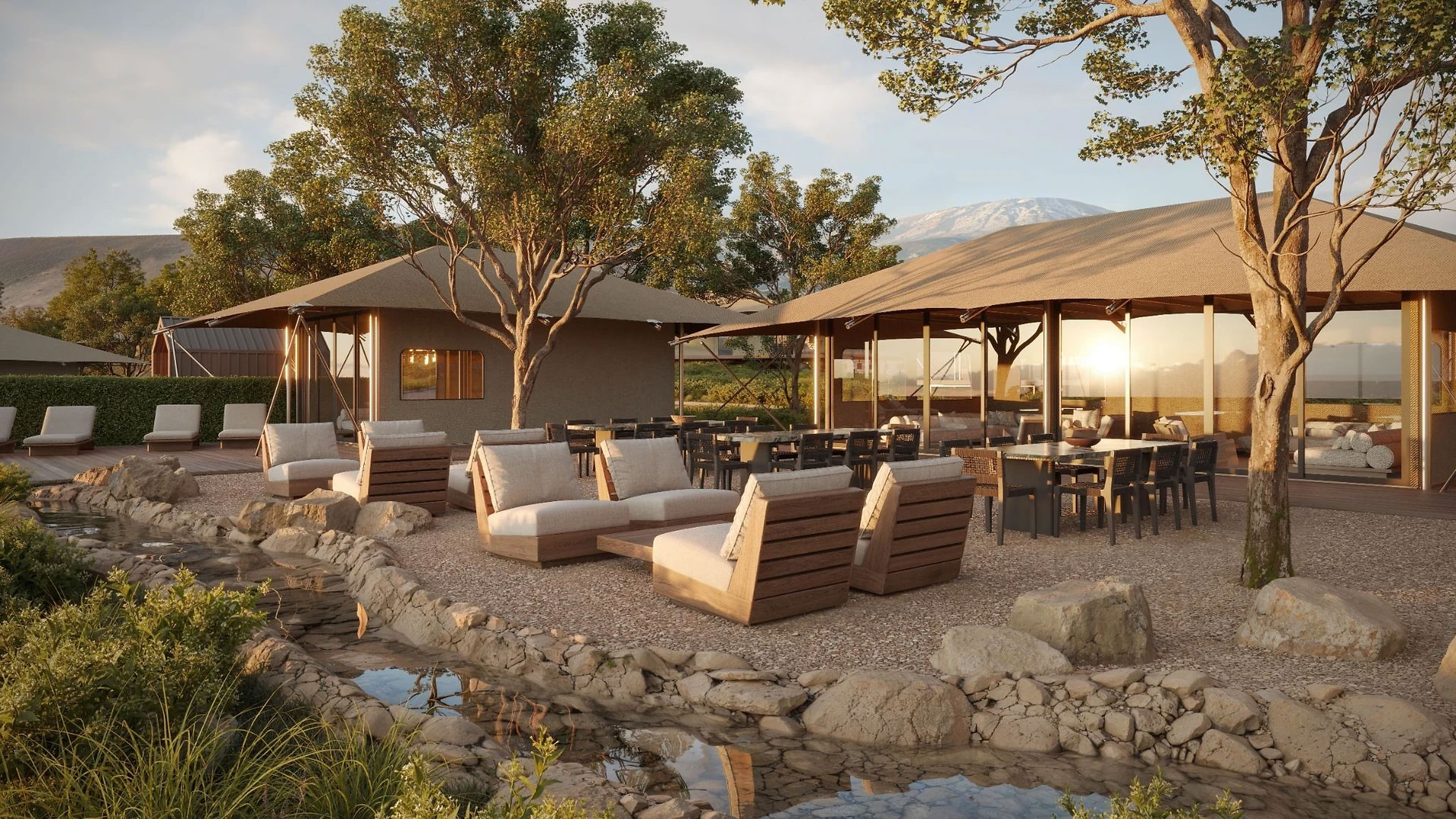
Check Out This New Outdoor Hospitality Retreat Opening Along California’s Central Coast This Summer
Nightsky Camps will offer travelers a low-impact, high-design respite.
Opening summer 2026, Nightsky Camps is a design-forward outdoor retreat that trades traditional hotel rooms for a more immersive, low-impact stay.
Located about 10 minutes from downtown along the Highway 1 corridor, the 45-key property is tucked between the coastline and the Nine Sisters mountain range. Accommodations come in the form of custom eco-tents, each fully ensuite, timber-paneled and outfitted with private decks that offer sweeping views of the landscape.
The project was developed in-house by founders Anatoly Mezhov, Irene Polo and David Smith, who designed the modular canvas structures. The goal was always minimal excavation and maximum connection to the existing Dairy Creek setting.
Nightsky is located within the broader Dairy Creek Golf Course campus, a county-owned outdoor space that also includes a nine-hole course, a TopTracer-equipped driving range and the nearby San Luis Obispo Botanical Garden. The idea is to create an integrated retreat, one that adds overnight stays to a landscape already used by locals.
The amenities lean into that communal energy. A sprawling Camp Commons anchors the property with fire pits and open-air lounges, while a wellness zone offers yoga, guided meditation, a movement pavilion, and a sauna and cold plunges. Programming is expected to include outdoor dinners, film nights and live music, all designed to reflect the rhythms of the region.
Food is already part of the draw. Marcerro Restaurant, led by chef Tret Toussaint, is currently open on the property, serving seasonal dishes sourced from regional producers, alongside local wines, craft beer and cocktails built around fresh ingredients. A market garden is also in the works.
For Angelenos, it’s an appealing new option for a road trip that moves away from the usual suspects for a slower pace that doesn't sacrifice good food or thoughtful design. Reservations aren’t open just yet, but interested guests can join the property’s “Stargazer” list for early access ahead of its 2026 debut.
Publication: Time Out Los Angeles
Author: Mark Peikert
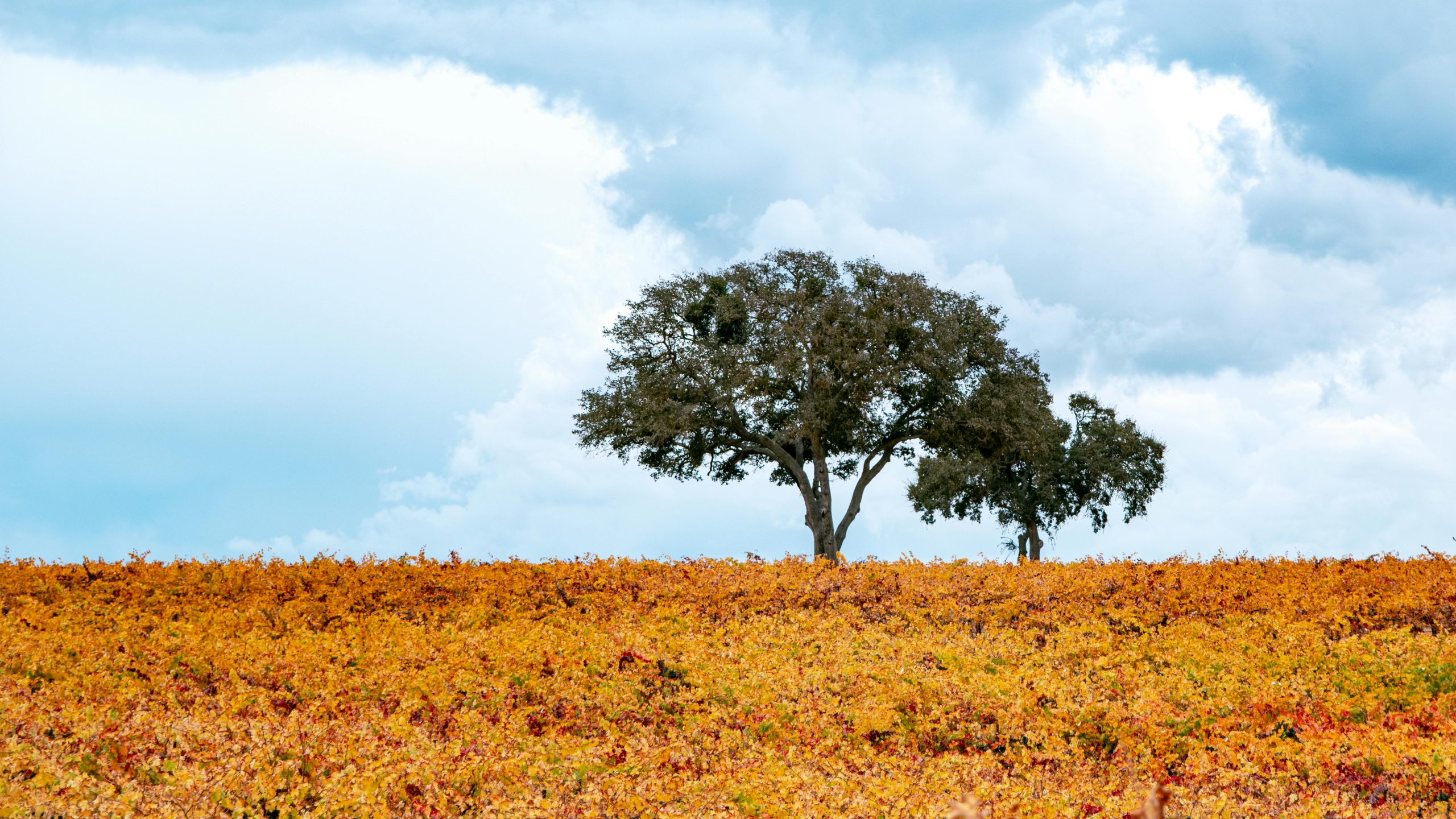
California’s Central Coast Is A Hidden Gem
Halfway Between Los Angeles And San Francisco, The Wine Country Surrounding Paso Robles Is Rich With Good Food, Scenery And Things To Do. And It’s Never Crowded.
For decades, Napa has gobbled up plenty of viticulture’s oxygen, as the amount of money it costs to travel there can attest. Tasting fees in Northern California wine country routinely exceed $100. The high cost of entry has much to do with the millennial and Gen Z rebuke of the wine business, and much of the industry is desperate to figure out how to draw travelers back to the vineyards. What’s increasingly clear, winemakers say, is that even the best “juice” isn’t enough.
Enter the Central California Coast, long a sleeper hit that never feels too crowded nor too exclusive, anchored by the impossibly cute Paso Robles and the lively college town San Luis Obispo and home not just to some of the state’s best wine but also outdoor recreation, quiet coastal landscapes and farm-to-table fare. Thanks in part to its three-hour driving distance both from Los Angeles and San Francisco, the central coast rarely feels overrun. Not the trails, restaurants or hotels.
“It’s kind of a forgotten part of California,” Matt Trevisan, owner and winemaker at Paso Robles’ Linne Calodo, told me. “There’s still a bit of the wild west down here, a lot of growth in the last 30 years but still retaining some of that entrepreneurial spirit.”
Where Historical Charm Abounds
There are a few small towns in central California that stand out for different reasons. In San Luis Obispo, the 104-year-old Granada Hotel and Bistro’s 17 guest rooms bask in historical charm and with a restaurant, a speakeasy-style cocktail lounge and ample indoor and outdoor space to relax. The hotel is a good home base for strolling the city’s walkable downtown, where lively restaurants like Lure Fish House and Bear & The Wren serve up fresh California fare.
Thirty miles away lies Paso Robles, a more classic “wine country” town that offers plenty of good food, coffee and shopping, all an easy walk from the 151-room Ava Hotel, which opened in summer 2005. Standouts include Les Petite Canailles, a French restaurant that does a decadent tasting menu filled with oysters from nearby Morro Bay and succulent Wagyu steak; Etto, which dishes up handmade pasta alongside classic Italian dishes from beef bolognese to a 2-pound bistecca ala Florentina; BL Brasserie, another French restaurant often highlighting fresh seafood; and In Bloom, working with several local farms and purveyors to craft dishes from salumi toast to a whole branzino.
Coastal Towns With Big Personalities
Closer to the coast lie Cambria and Morro Bay, each with its own distinct personality. Cambria, an artsy town close to the Hearst Castle, has a boardwalk along Moonstone Beach, an elephant seal rookery just north of town and good hiking along the coastline at the Fiscalini Ranch Preserve. Robin’s Restaurant manages to pull off a blend of Mexican, Thai and Indian food in a restored adobe home in the town’s historic East Village. Morro Bay is a quiet seaside town just off of Highway 1 on a calm body of water full of sea otters, seals, sea lions and dolphins, and the volcanic monolith Morro Rock is a protected habitat for peregrine falcons.
For oenophiles, there are 20 wineries on 40,000 in the surrounding area, many of them defiantly hanging onto independent ownership in an industry rife with consolidation and of corporate buyouts. Among the holdouts are Trevisan’s winery, which since 1998 has focused on Rhône-style blends from the Willow Creek district. “You can still meet winemakers in the winery here,” Trevisan says. “They’ll take you on tours, show you barrels, taste from the vats, show you where the babies are. That’s always really magical.”
The “French Mafia” Make Wine
French winemakers Guillaume and Solène Fabre have been making wine in Paso since 2003, when Guillaume landed an internship at L’Aventure. “It reminded me of where I grew up, in the south of France,” Fabre said. “The ambience, the terroir, all of it.” Four years later, he and Solene started their own label, Clos Solene. Reared in Bordeaux, Guillaume Fabre’s father found the French government too restrictive, and the U.S. more permissive of his ambition to experiment. Clos Solene is now among a trio of wineries locals sometimes call the “French Mafia,” because they include L’Aventure and also BENOM Wines, which Guillaume owns with his brother Arnaud Fabre, who came to California after his wife, Chloe, who is the daughter of L’Aventure’s owners and the winery’s general manager. “It’s those beautiful rolling hills,” Fabre told me. “There’s a feeling when you come to Paso and go to restaurants and how nice everyone is.
Beyond viticulture, the central coast also has a robust outdoor scene, from the gentle surf breaks at Morro Bay to myriad hiking trails all over San Luis Obispo county. The Black Hill Trail in Morro Bay State Park winds its way up to panoramic views of the coast and back down again, and the Cerro Alto Trail in Los Padres National Forest sends hikers up a 2,624-foot summit. The county is also one of the top-producing in the state for olives, with about 1,300 acres in production.
El Paso de Robles, as the town was once known, originated as a region of healing hot springs frequented by the native Salina’s Indians before cattle ranchers turned it into a “cow town” in the 1880s, long before the first American Viticultural Area was designated here in 1983. There are natural thermal waters run by Franklin Hot Springs with a surrounding wildlife reserve and River Oaks, where guests soak in tubs overlooking nearby vineyards.
Publication: Forbes
Author: Winston Ross
Source: Forbes – California’s Central Coast Is A Hidden Gem
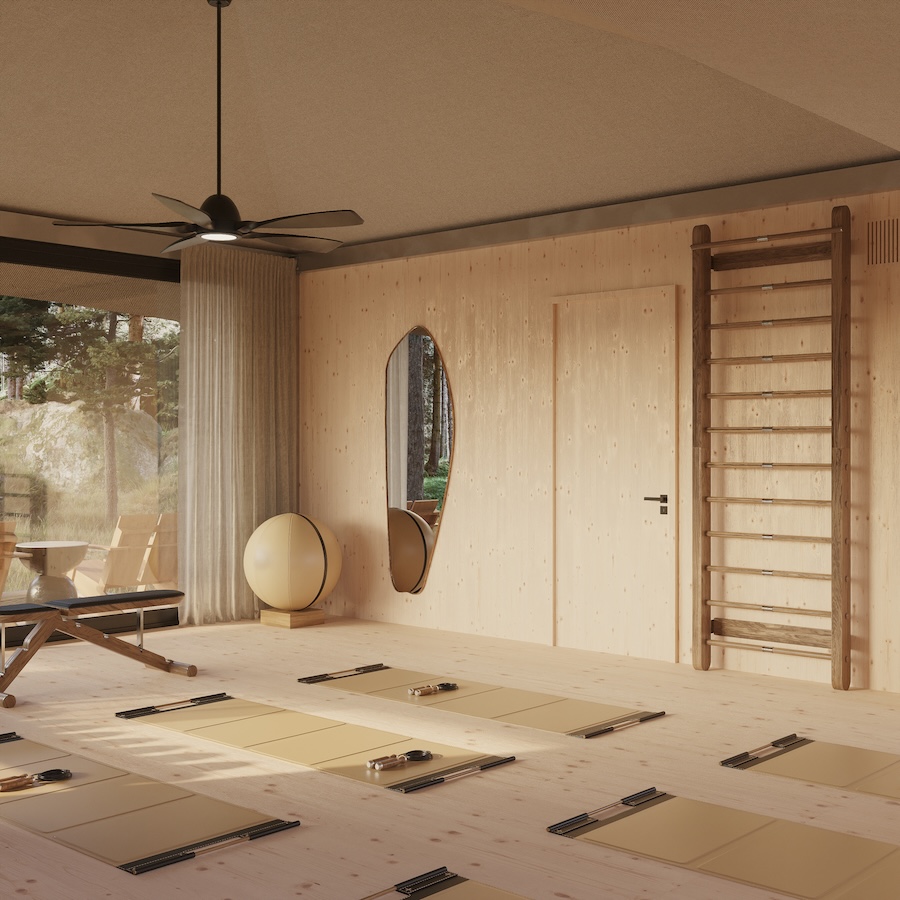
Nightsky Camps To Open This Summer on California’s Highway 1
The 45-key San Luis Obispo retreat blends modular canvas forms with elevated amenities
Words by: Stephanie Chen
This summer, Nightsky will debut a 45-key outdoor hospitality retreat in San Luis Obispo, along California’s iconic Highway 1 corridor.
Conceived by founders David Smith, Anatoly Mezhov, and Chase Gray, the property reflects a place-led approach to outdoor travel. Developed and designed in-house by Mezhov, Smith, and Irene Polo, the architecture works with the natural topography of the Dairy Creek landscape rather than reshaping it. The design utilizes low-impact construction methods, lightly anchoring modular canvas structures to the earth to minimize excavation and preserve the site’s sweeping views and environmental integrity.
Eco-conscious comfort
Positioned between the rugged coastline and the rolling ridgelines of the Nine Sisters, the retreat features 45 custom eco-tent accommodations, each fully ensuite and timber-paneled, complete with private decks that look out over the open land and sky.
The interior design scheme draws heavily on warm woods, natural materials, and richly layered textiles that feel rooted in the natural landscape.
Gathering at Nightsky Camps
Beyond the guest accommodations, Nightsky integrates a suite of shared spaces, including the sprawling Camp Commons, which serves as the heart of the property, offering communal fire pits and atmospheric open-air lounges.
For physical restoration, a dedicated wellness area features a movement pavilion, saunas, and cold plunges, complemented by programming like yoga and guided meditation.
Site integration
Developed in partnership with San Luis Obispo County Parks, Nightsky sustainably activates underutilized portions of the county-owned Dairy Creek Golf Course campus on which it sits. Guests will have direct access to a nine-hole, par-36 golf course, a driving range powered by TopTracer technology, and the adjacent San Luis Obispo Botanical Gardens.
Rounding out the experiential offerings is Marcerro restaurant, an already-open dining concept led by chef Tret Toussaint that highlights seasonal regional cuisine.
Throughout the year, the retreat will be further activated by outdoor dinners, open-air cinema nights, design workshops, and live music.