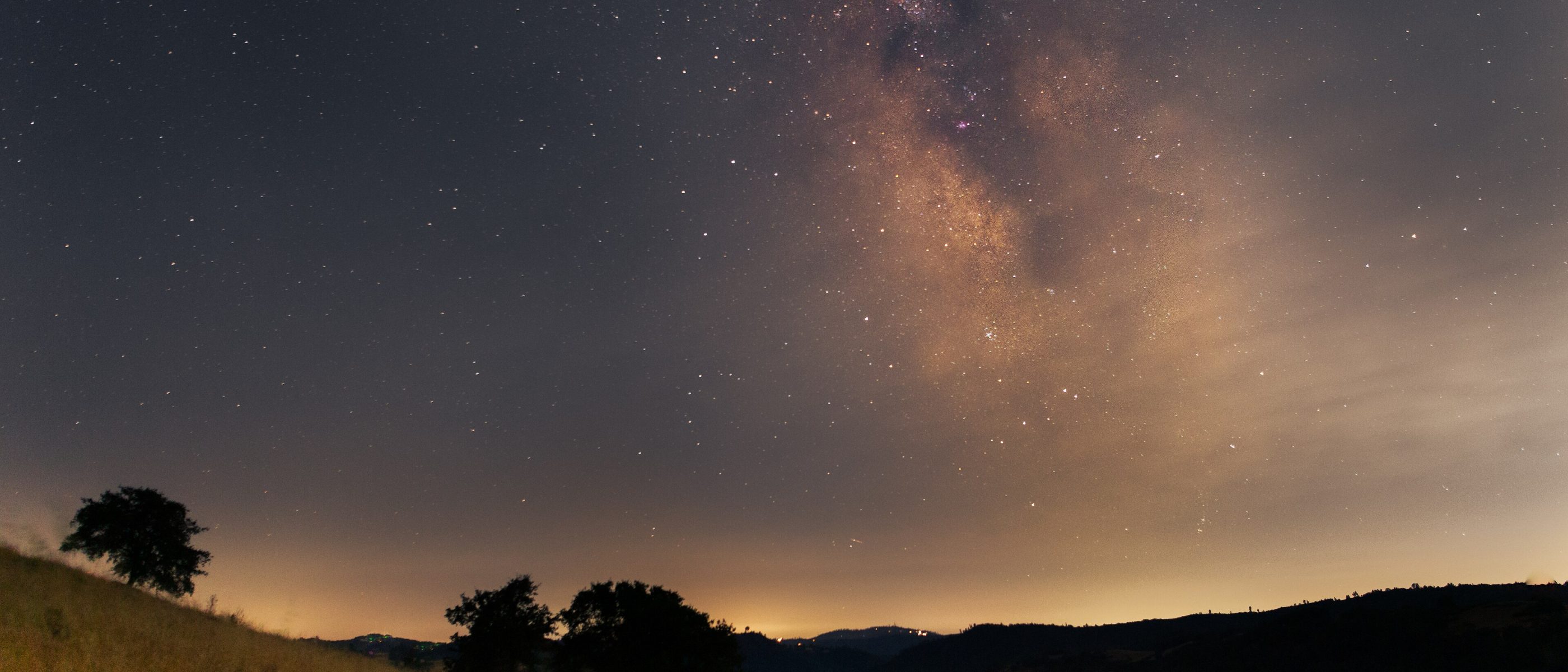
A night outside can become the most memorable part of a California trip. Let dinner run a little longer, pull on another layer, and give yourself time to look up. In 2027, meteor showers and a subtle lunar eclipse offer reasons to plan an evening around the sky.
For a Central Coast visit, the best plan starts with realistic expectations. Clouds, marine fog, moonlight, and nearby lighting all affect what you can see. Pick a promising night, keep the schedule flexible, and enjoy the time outdoors even if the sky has other plans.
Meteor shower dates to watch in 2027
The American Meteor Society calendar lists the following peak-night windows. A shower’s brief maximum may favor a different part of the world, so check local observing guidance as your trip approaches.
- January 3 to 4, Quadrantids. Moonlight is favorable, but the predicted maximum favors Europe and western Asia.
- April 21 to 22, Lyrids. A full moon will make faint meteors harder to see.
- May 5 to 6, Eta Aquariids. A thin crescent offers favorable moonlight conditions. Look before dawn, while recognizing this shower is better placed farther south.
- July 30 to 31, Southern Delta Aquariids and Alpha Capricornids. Limited moonlight makes this a useful summer planning window.
- August 12 to 13, Perseids. A bright waxing moon will interfere while it is above the horizon. Check local moonset for a darker observing window.
Those dates give you options across several seasons. For a getaway built around watching meteors, compare moonlight and weather alongside the shower’s name. A quieter shower under a clearer, darker sky can be more enjoyable than a famous peak behind clouds.
What about the 2027 eclipses?
The August 2 total solar eclipse will receive plenty of attention, but it will not be visible from California. Neither will the February 6 annular solar eclipse. See NASA’s future eclipse guide for the geographic viewing regions before making travel plans.
California does have a penumbral lunar eclipse on the night of August 16 into August 17. This is a faint shading of the Moon, rather than the dramatic red appearance of a total lunar eclipse. Local eclipse information lists an approximate statewide viewing window from 10:24 p.m. to 2:03 a.m. Pacific Daylight Time. Select your observing location for precise circumstances.
Make a Central Coast observing plan
Check the hourly cloud forecast and the timing of moonrise and moonset. A coastal forecast can differ from conditions farther inland, but only move to another location if you have confirmed legal access and a safe place to stop.
For an organized outing, explore the Central Coast Astronomical Society’s calendar. Public programs can provide a useful introduction to astronomy. Attendance, arrival windows, and weather policies vary by event.
Do not assume a daytime trailhead or beach parking area allows late-night use. Confirm hours before you go and keep paths and roadways clear.
What to bring for a meteor watching night
Bring a warm jacket, blanket, reclining chair, and a drink you can enjoy slowly. Meteors are best watched with your eyes, which let you take in a broad stretch of sky. Save binoculars or a telescope for a more specific target.
NASA recommends allowing about 20 to 30 minutes for your eyes to adjust and avoiding bright screens. Put your phone away once you are settled. Give the evening an hour if you can, rather than deciding after a few minutes that nothing is happening.
Stay somewhere that makes looking up easy
At Nightsky, private stargazing decks offer a place to spend part of the evening outside. Visibility still depends on weather, moonlight, and surrounding conditions, so treat the sky as an invitation rather than a guarantee.
Discover Nightsky’s accommodations and build a Central Coast escape with room for an unhurried night outdoors.